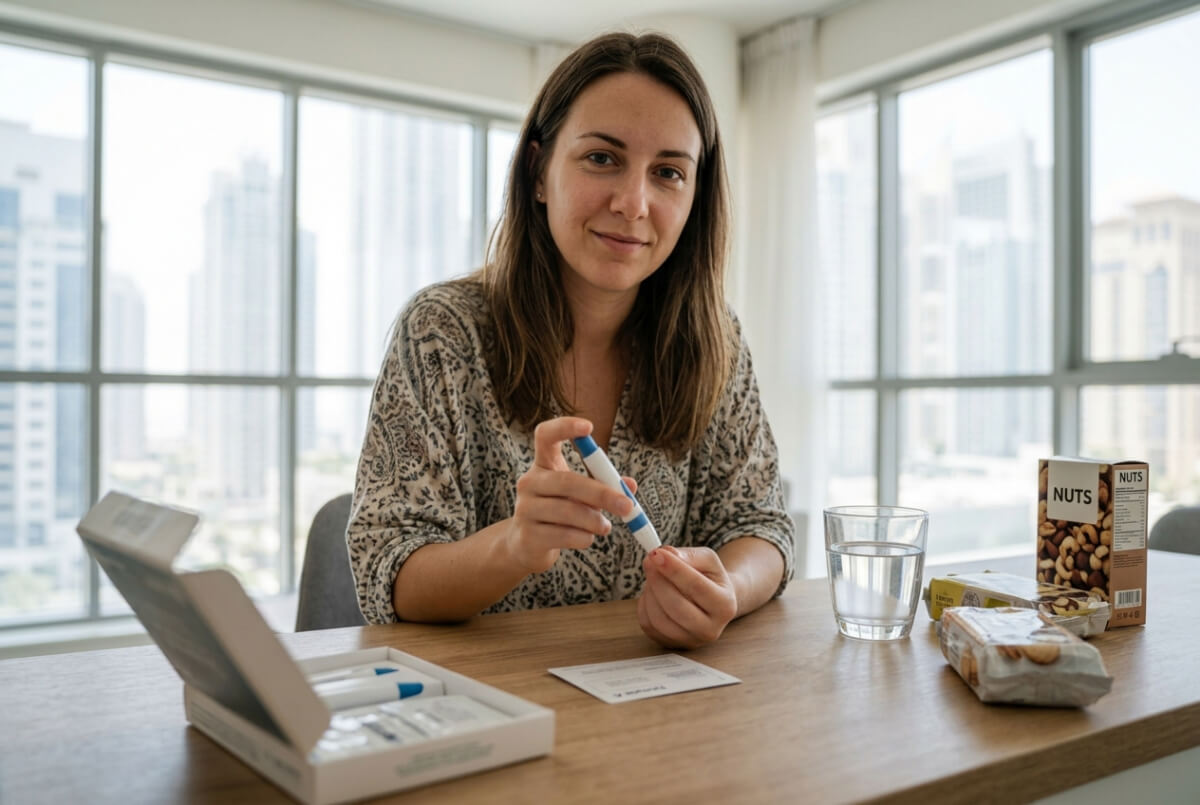
Maintaining optimal heart health has become increasingly important, as cardiovascular wellness remains a top priority in modern healthcare. Understanding your cholesterol levels through comprehensive lipid profile testing represents one of the most effective preventive measures you can take for your cardiovascular health.
Our comprehensive health screening packages include advanced cholesterol testing that provides detailed insights into your cardiovascular risk profile, helping you make informed decisions about your heart health management strategy.
Understanding Cholesterol and Its Impact on Heart Health
Cholesterol is a waxy substance naturally produced by your liver and obtained from certain foods. While your body needs cholesterol to build healthy cells, elevated levels in your blood can significantly increase your risk of heart disease. A lipid profile test provides a complete picture of the different types of cholesterol and fats in your bloodstream, offering valuable insights into your cardiovascular risk.
The lipid profile measures four key components: total cholesterol, low-density lipoprotein (LDL) cholesterol, often called “bad” cholesterol, high-density lipoprotein (HDL) cholesterol known as “good” cholesterol, and triglycerides. Each component plays a distinct role in your cardiovascular health, making regular monitoring essential for early detection and prevention through our specialized cardiology services.
Understanding these measurements helps identify potential cardiovascular risks before symptoms appear, allowing for proactive intervention strategies. Our preventive health screening program combines lipid profile testing with other essential health assessments to provide a comprehensive picture of your overall wellness.
 Schedule Your Comprehensive Lipid Profile Test
 Schedule Your Comprehensive Lipid Profile Test
Take control of your heart health with our advanced lipid screening services in Dubai
The Current State of Cardiovascular Health in the UAE
Recent medical research indicates that cardiovascular disease accounts for 40% of mortality in the United Arab Emirates, highlighting the critical importance of proactive heart health management. The UAE’s diverse population faces unique cardiovascular challenges, making regular cholesterol screening particularly valuable for maintaining optimal health outcomes.
Our heart health assessment programs are specifically designed to address these regional health concerns, providing comprehensive evaluation and personalized management strategies for Dubai residents and visitors. Through advanced testing methodologies and expert medical interpretation, we help identify cardiovascular risks early and implement effective prevention strategies.
Essential Components of Lipid Profile Testing
Low-Density Lipoprotein (LDL) Cholesterol
LDL cholesterol, commonly referred to as “bad” cholesterol, carries cholesterol from your liver to cells throughout your body. When present in excessive amounts, LDL cholesterol can build up in artery walls, forming plaques that narrow blood vessels and restrict blood flow. Current medical guidelines recommend maintaining LDL cholesterol levels between 50 to 70 mg/dL to prevent plaque formation in blood vessels.
For individuals with existing cardiovascular conditions or high risk factors, target levels may be even lower. The treatment goal for individuals with heart disease or blood vessel disease is to reach an LDL of less than 1.8 mmol/L (70 mg/dL), requiring more aggressive management and frequent monitoring.
High-Density Lipoprotein (HDL) Cholesterol
HDL cholesterol serves as your body’s natural cleanup system, transporting excess cholesterol from peripheral tissues back to the liver for disposal or recycling. Higher HDL levels generally indicate better cardiovascular protection, as this “good” cholesterol helps remove harmful cholesterol deposits from artery walls.
Men typically should maintain HDL levels above 40 mg/dL, while women should aim for levels above 50 mg/dL. HDL levels above 60 mg/dL are considered protective against heart disease for both men and women, providing additional cardiovascular benefits.
Triglycerides
Triglycerides represent the most common type of fat found in your blood, primarily derived from excess calories your body stores for later energy use. Elevated triglyceride levels often accompany other cardiovascular risk factors, including obesity, diabetes, and metabolic syndrome.
Normal triglyceride levels should remain below 150 mg/dL, while levels between 150-199 mg/dL are considered borderline high. Triglyceride levels above 200 mg/dL significantly increase cardiovascular risk and require immediate attention and lifestyle modifications.
Expert Tip: Preparing for Your Lipid Profile Test
 Expert Tip: Preparing for Your Lipid Profile Test
For the most accurate results, fast for 9-12 hours before your test. You may drink water, but avoid food, beverages, and medications that could affect your results.
When Should You Get Lipid Profile Testing?
Routine Screening Guidelines
The frequency of lipid profile testing depends on your age, risk factors, and current health status. Adults aged 20 and older should have their cholesterol checked at least every four to six years if results are normal and no risk factors are present. However, individuals with risk factors may need more frequent testing, sometimes annually or even every six months.
Risk factors that warrant more frequent monitoring include family history of heart disease, personal history of diabetes, high blood pressure, smoking, obesity, or previous abnormal cholesterol results. Additionally, individuals taking cholesterol-lowering medications require regular monitoring to assess treatment effectiveness and adjust dosages as needed.
Symptoms That May Indicate Testing
While high cholesterol typically produces no symptoms, certain signs may suggest the need for immediate lipid profile testing. These include chest pain or discomfort, especially during physical activity, shortness of breath, fatigue during routine activities, or a family history of early heart disease.
Other indicators include visible signs of cardiovascular problems such as yellowish deposits around the eyes (xanthelasma), unexplained leg pain during walking that improves with rest, or risk factors like diabetes, high blood pressure, or metabolic syndrome. Our urgent care services are available for patients experiencing concerning symptoms that may indicate cardiovascular issues requiring immediate evaluation.
Advanced Lipid Testing Options in Dubai
Comprehensive Cardiac Risk Assessment
Modern lipid testing extends beyond basic cholesterol measurements to provide comprehensive cardiovascular risk assessment. Advanced testing may include particle size analysis, apolipoprotein measurements, and inflammatory markers that offer deeper insights into your cardiovascular health status.
These sophisticated tests help identify individuals at risk even when traditional cholesterol numbers appear normal, enabling more personalized and effective prevention strategies. Advanced testing proves particularly valuable for people with a family history of heart disease or those with multiple risk factors.
 Early Detection Saves Lives
Interpreting Your Lipid Profile Results
Understanding Normal Ranges
Lipid profile results are typically measured in milligrams per deciliter (mg/dL) or millimoles per liter (mmol/L), depending on the laboratory standards used. Understanding these measurements helps you actively participate in managing your cardiovascular health and making informed decisions about treatment options.
Total cholesterol levels below 200 mg/dL are considered desirable, while levels between 200-239 mg/dL fall into the borderline high category. Total cholesterol levels of 240 mg/dL and above are classified as high and require immediate attention and intervention.
For LDL cholesterol, levels below 100 mg/dL are optimal for most individuals, though people with existing heart disease or diabetes may need to achieve even lower targets. HDL cholesterol should be above 40 mg/dL for men and above 50 mg/dL for women, with higher levels providing additional protection.
Factors Affecting Results
Several factors can influence lipid profile results, including recent illness, medications, dietary changes, weight fluctuations, and stress levels. Temporary factors such as recent surgery, infection, or significant life events may temporarily affect cholesterol levels, potentially requiring repeat testing once these factors stabilize.
Medications, including steroids, beta-blockers, and certain diabetes medications, can impact cholesterol levels, while lifestyle factors such as diet, exercise, alcohol consumption, and smoking significantly influence results. Understanding these variables helps ensure accurate interpretation and appropriate treatment decisions.
The Role of Preventive Screening
Early Detection Benefits
Preventive lipid profile screening offers numerous advantages, primarily through early identification of cardiovascular risk factors before symptoms develop or complications occur. Early detection enables implementation of lifestyle modifications and medical interventions that can prevent or significantly delay the development of heart disease, stroke, and other cardiovascular complications.
Regular screening also allows for monitoring of treatment effectiveness, ensuring that therapeutic interventions are producing desired results and enabling timely adjustments when necessary. This proactive approach to cardiovascular health management consistently produces better outcomes compared to reactive treatment of established disease.
Population-based screening programs have demonstrated significant reductions in cardiovascular morbidity and mortality, highlighting the public health benefits of widespread cholesterol awareness and management initiatives.
Cost-Effectiveness of Prevention
Preventive cholesterol screening and management prove highly cost-effective compared to treating established cardiovascular disease. The expenses associated with heart attacks, strokes, cardiac procedures, and long-term management of cardiovascular complications far exceed the costs of regular screening and preventive interventions.
Insurance coverage for lipid profile testing reflects the recognized value of preventive screening, with most health insurance plans providing coverage for routine cholesterol testing based on established clinical guidelines and risk assessment protocols.
Workplace wellness programs increasingly emphasize cholesterol screening as a fundamental component of employee health initiatives, recognizing both the health benefits for employees and the economic advantages for employers through reduced healthcare costs and improved productivity.
Frequently Asked Questions About Lipid Profile Testing
How Often Should I Get Tested?
The frequency of lipid profile testing varies based on age, risk factors, and previous results. Generally, adults with normal cholesterol levels and no risk factors should be tested every 4-6 years. However, individuals with risk factors such as diabetes, high blood pressure, family history of heart disease, or previous abnormal results may need annual testing or even more frequent monitoring.
People taking cholesterol-lowering medications typically require testing every 6-12 weeks initially to assess treatment response, followed by periodic monitoring every 3-6 months once stable target levels are achieved.
What Should I Expect During Testing?
Lipid profile testing involves a simple blood draw, typically from a vein in your arm. The procedure takes only a few minutes and causes minimal discomfort. Most tests require fasting for 9-12 hours beforehand, though some newer tests can be performed without fasting.
Are There Any Risks Associated with Testing?
Lipid profile testing carries minimal risks, with the most common being slight bruising or soreness at the blood draw site. Serious complications are extremely rare and typically resolve quickly without intervention.
The benefits of regular cholesterol monitoring far outweigh the minimal risks associated with blood testing, particularly given the serious consequences of undiagnosed and untreated high cholesterol.
Ready to Take Control of Your Heart Health?
 Ready to Take Control of Your Heart Health?
Our experienced team is here to guide you through comprehensive cholesterol screening and personalized management strategies.
Conclusion
Regular lipid profile testing represents a cornerstone of preventive cardiovascular healthcare, offering valuable insights into your heart health status and guiding effective management strategies. In Dubai’s dynamic healthcare environment, comprehensive cholesterol screening provides the foundation for maintaining optimal cardiovascular wellness throughout your life.
The combination of advanced testing technology, experienced healthcare providers, and personalized treatment approaches available in Dubai ensures that residents and visitors have access to world-class cardiovascular care. By prioritizing regular cholesterol monitoring and working closely with healthcare professionals, you can take proactive steps to protect your heart health and maintain an active, healthy lifestyle.
Whether you’re seeking routine screening, managing existing cardiovascular risk factors, or monitoring treatment effectiveness, lipid profile testing provides essential information for making informed decisions about your health. Schedule your comprehensive cholesterol screening today.