When was the last time you really felt that your elderly parent was getting care that actually fits, not just adequate care, but the sort that keeps them comfortable, safe, and properly looked after?
For many families in Dubai, it’s a real honest and hard question. Tight schedules, demanding work hours and those complicated medical needs that come with ageing make it almost impossible to deliver everything an elderly person needs at home, without some kind of professional help. And the alternative, repeated hospital visits, long waiting times, institutional care, is neither practical nor what most older people actually want.
This is where home nursing services in Dubai are changing things. A trained home care nurse brings qualified medical support directly into the home, on a schedule that works for the patient and the family. Here is what that actually looks like in practice, and why it is the right decision for more families than know it.
What Home Nursing Care Actually Is
Before we dive into the benefits, it’s worth getting a bit clearer on what a trained home nurse does, because honestly it’s quite different from a general caregiver, or a domestic helper.
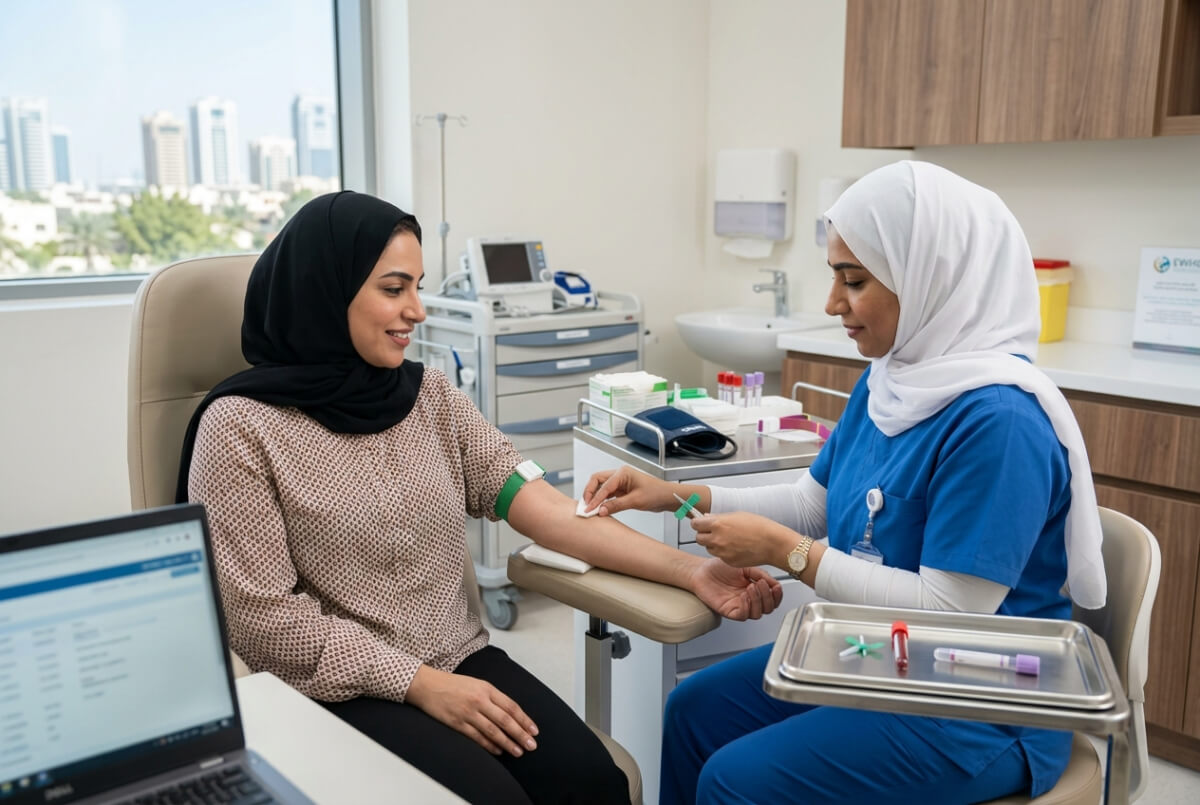
A home care nurse in Dubai is a medically qualified professional who can handle clinical care in a home setting. Most of the time that comes down to things like giving and overseeing medication, wound care and changing dressings, keeping an eye on vital signs, IV therapy, catheter care, and feeding tube management, alongside help with the whole post-hospital recovery routine, and yes, also coordinating with the doctors who are treating them. In other words it’s active clinical support delivered in the familiar home setting, not just a basic helping hand for everyday errands and day to day activities.
This difference matters, because the skill level involved is not the same. A caregiver can assist with bathing, meals, and companionship. Meanwhile a trained home nurse can do all of that and still manage the clinical side of an elderly person’s health, without needing them to keep leaving home for every routine procedure, or checkup.
Signs Your Elderly Parent May Need a Home Nurse
Not everyone recognises the point at which a family member needs more than general support. These are the signs that professional home nursing care should be considered.
Increasing Medical Needs
If your parent has a chronic condition, diabetes, heart disease, COPD, kidney disease, that really needs ongoing checks and medication management, a trained nurse can keep that clinical oversight steady and kinda make sure nothing slips through between the doctor’s visits.
Difficulty With Daily Activities
Bathing, eating, moving around the home, when all of that becomes difficult or kinda risky without help, the risk of falls grows fast, alongside poor nutrition and hygiene that starts to slip.
Memory Issues or Cognitive Decline
When medications are missed, or there’s confusion about time and place, or wandering happens at night, those can be real signals. You want a trained professional who actually understands dementia and cognitive decline, not only general supervision with a “someone is nearby” idea.
Frequent Falls or Safety Concerns
A fall that ends in a fracture can be life altering for an older person. Once the fall risk becomes significant, having a nurse there, especially during higher-risk moments like mornings and evenings, stops incidents that otherwise would send the patient straight to hospital, or at least that’s how it usually goes.
Post-Surgery or Hospital Discharge
The switch from hospital back to home is one of those especially fragile phases for elderly people. Wound care, medication routines, mobility limits, and keeping watch for complications, all of it needs steady professional attention, not only support from family.
Social Isolation and Emotional Changes
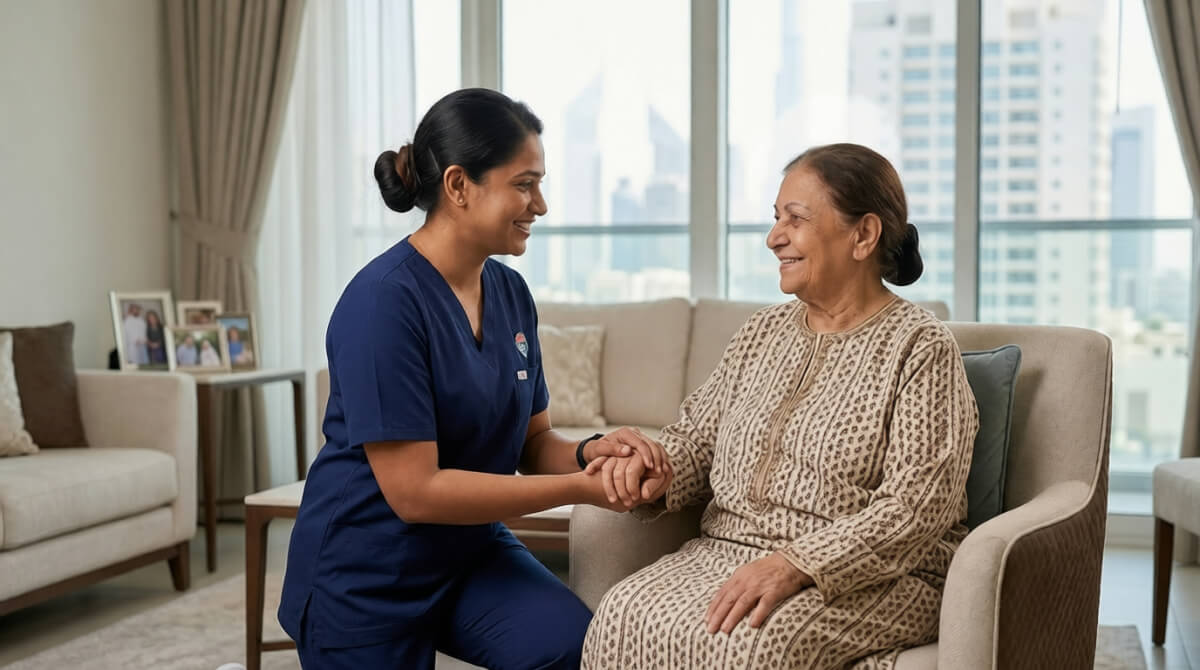
Loneliness and depression are health hazards for elderly people, not just “feelings” you ride out. A home nurse gives regular human contact, some structured engagement, and a steady kind of relationship that tends to support mental wellbeing in a positive way.
Medication Mismanagement
Skipping doses, doubling up, taking the wrong medication at the wrong time, yeah these things show up more often in elderly patients than most families realise. And honestly the fallout can be serious. A trained nurse also watches medications, carefully that is, and they tend to catch the small mistakes early before they become a bigger issue.
The 7 Key Benefits of Hiring a Trained Home Nurse
1. Personalised One-on-One Medical Care
In a hospital or care facility, usually one nurse has to keep up with multiple patients all at once, while at home the nurse really stays focused on your family member, their specific condition, their daily routine, their preferences, and even those little shifts in health that suggest something should be looked at sooner rather than later.
2. Continuous Monitoring Without Constant Hospital Visits
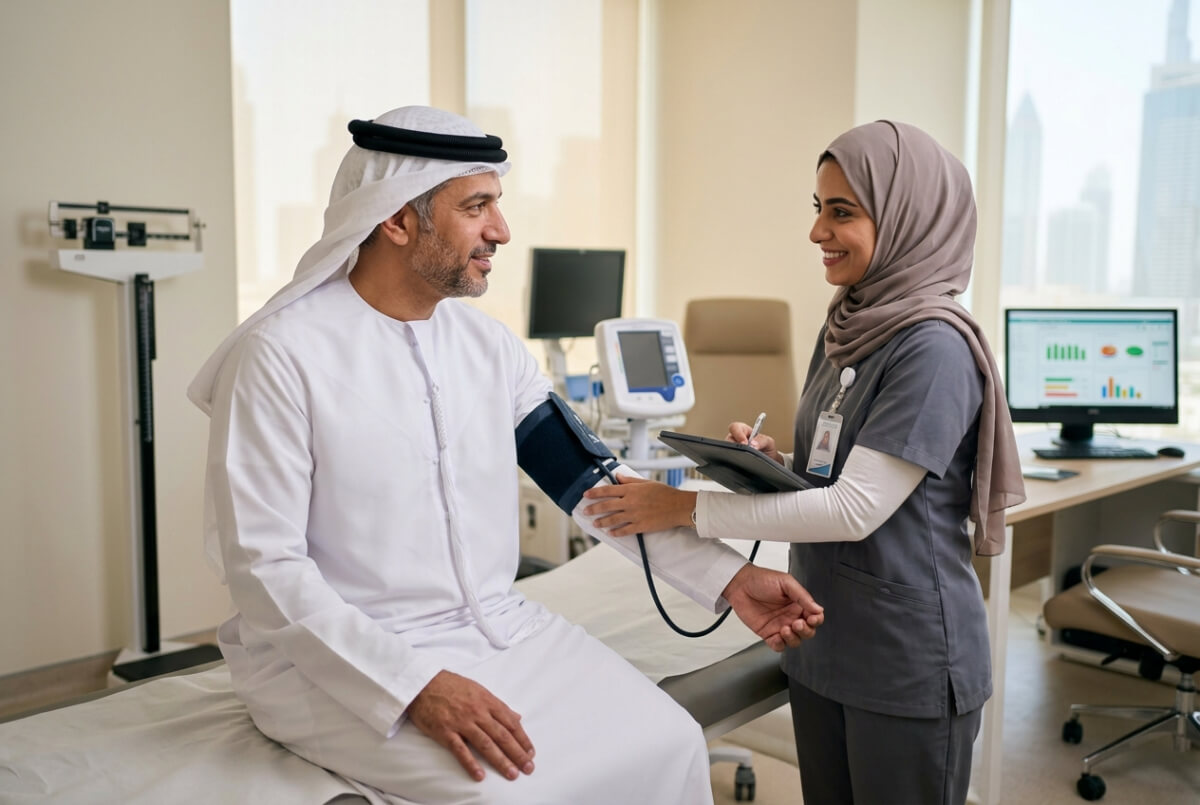
For elderly patients with long term conditions, regular checking of blood pressure, oxygen levels, blood sugar and other vital signs is necessary. A trained home nurse takes care of this at home, so the need for repeated clinic or hospital trips gets reduced, which can be very draining for older adults to keep up with.
3. Faster Recovery in a Familiar Environment
Studies keep showing this same pattern, it seems, patients, especially older ones often recover quicker and also see better outcomes in their own home, rather than in an institutional setup. The home setting feels more familiar, family is close by, and there’s no real danger of hospital acquired infections so the whole recovery path can look smoother, and maybe even steadier.
4. Reduced Risk of Hospital-Acquired Infections
Hospitals concentrate sick patients. For elderly people with compromised immune systems, the infection risk of a hospital environment is real and significant. Receiving care at home removes that exposure entirely.
5. Peace of Mind for the Family
Families who work full time, keep up with their own household, and still try to look after an elderly parent, are under huge strain. And when you know that a qualified professional is there with your parents, handling their care properly, in a gentle and understanding way, it really shifts the feel of daily family life, for the better.
6. Flexible Care That Fits the Situation
Home nursing also isn’t “everyone gets the same thing”. EWHC offers home nursing in Dubai as part-time assistance, full-day presence, or 24/7 home nursing care for patients who need ongoing observation. And the support level isn’t locked in place, it can be raised as recovery progresses and reduced once things settle down.
7. Emotional Comfort and Dignity for the Elderly
Also, being in your own place, sleeping in your own bed, eating food that feels normal, these aren’t minor details for an older person. A home nurse supports medical needs while also protecting the dignity and self reliance that means so much to older patients. Institutional care just can’t do that as well, most of the time.
Are Home Nursing Services in Dubai Safe?
This feels like a pretty reasonable question, and the answer is kind of straightforward, really. All nurses provided through EWHC are DHA-licensed, so they are registered, monitored and regulated by the Dubai Health Authority, and yeah they are held to the same clinical benchmarks you would see in a hospital environment. And, in general, every nurse goes through a background verification, plus they make sure their clinical training stays current.
For home based nursing, the work still follows the standard clinical protocols, proper hygiene, medication safety, wound management, and also what to do if there’s an emergency. There is also clinical supervision, which matters because a senior clinical lead is part of the patient care coordination, it is not just one nurse, working alone like in a vacuum.
When Should You Consider Home Nursing Care?
Some situations make the decision relatively clear:
- Discharge from hospital after surgery, stroke, or major illness
- Diagnosis of a progressive condition like dementia, Parkinson’s, or advanced heart failure
- A fall or injury that has reduced mobility significantly
- A stage of illness where palliative care and comfort support are the priority
- When the family’s capacity to provide adequate care has genuinely reached its limit
There isn’t really any one single moment that just says, “now is the time,” it feels more like a gradual shift. But the sooner skilled home nursing support is brought in, the better the patient’s overall trajectory tends to look. Getting in early helps little issues not turn into bigger serious matters.
Choosing the Right Home Nursing Service in Dubai
When selecting a provider, a few things matter beyond price:
- DHA licensing for every nurse placed, ask for confirmation, not just a claim
- Range of services, can they handle the specific clinical needs your family member has?
- 24/7 availability, especially important for patients who need overnight monitoring
- Clear communication with family, you should know what is happening with your parent’s care
- Transparent pricing, no surprises about what is included in the quoted cost
Conclusion
Getting the right care for an elderly parent is not always simple to arrange. But somehow, it is one of those big decisions a family makes, and when you do it correctly it actually shows up in measurable ways, like better quality of life, improved health outcomes, and also the wellbeing of everyone involved, including you.
In Dubai, trained at-home nursing services offer qualified, compassionate, DHA-licensed support, right where older patients usually feel safest, their own home. Whether what’s needed is brief recovery assistance or longer-term 24/7 elderly home nursing coverage, EWHC can sit with you, talk through your family’s situation, and help locate the most suitable care level for real life.
Frequently Asked Questions
How do I know if my parents need a home nurse?
If your parent is dealing with increasing medical needs, trouble handling everyday activities, post-hospital recovery requirements, or signs of cognitive decline, it’s probably worth arranging a professional home nurse. A clinical assessment from EWHC can help spot the right kind of care level, not just guess.
What does a home care nurse in Dubai do?
A trained home nurse takes care of medication administration, wound care, checking vital signs, IV therapy, catheter care, plus support after surgery. They also help coordinate with the treating doctors, and yes the clinical care stays delivered at home, not somewhere else.
Are home nursing services available 24/7?
Yes. EWHC offers 24/7 home nursing support for patients who need continuous observation or overnight assistance. There are also part-time options, plus full day care if that fits better.
Are nurses DHA licensed?
Yes. All EWHC nurses hold current DHA licensing and have undergone background verification. Clinical supervision is maintained across all patient care.
How much does elderly home nursing care cost?
The cost depends on the type of care required, how long it will last, and how clinically complex things are. EWHC gives transparent pricing after an initial assessment. Just contact the team directly for a quote based on your own situation, and they’ll guide you from there.