					{
  "@context": "https://schema.org",
  "@type": "BlogPosting",
  "headline": "Diabetes Screening and HbA1c Testing: Early Detection and Monitoring Guide",
  "description": "Comprehensive guide for diabetes test in Dubai, HbA1c test in UAE, and blood sugar screening. Learn the importance of early detection, risk factors, prevention, and home testing services.",
  "author": {
    "@type": "Organization",
    "name": "EverWell Home Health Care"
  },
  "publisher": {
    "@type": "Organization",
    "name": "EverWell Home Health Care",
    "logo": {
      "@type": "ImageObject",
      "url": "https://ewhc.ae/logo.png"
    }
  },
  "mainEntityOfPage": {
    "@type": "WebPage",
    "@id": "https://ewhc.ae/diabetes-screening-and-hba1c-testing-early-detection-and-monitoring-guide/"
  },
  "keywords": ["diabetes test Dubai", "HbA1c test UAE", "blood sugar screening", "diabetes prevention", "metabolic health screening"],
  "wordCount": "2000+",
  "about": [
    {
      "@type": "MedicalCondition",
      "name": "Diabetes Mellitus",
      "description": "Group of metabolic disorders characterized by high blood sugar levels"
    },
    {
      "@type": "MedicalTest",
      "name": "HbA1c Test",
      "description": "Blood test measuring average blood glucose levels over 2-3 months"
    }
  ],
  "geo": {
    "@type": "Place",
    "name": "United Arab Emirates",
    "addressCountry": "AE"
  }
}
Diabetes is one of the fastest-growing chronic health conditions worldwide, and the UAE is no exception. With lifestyle changes, sedentary habits, and dietary patterns contributing to rising cases, early screening and monitoring are crucial for prevention and management. The UAE ranks among the top countries for diabetes prevalence, with current statistics showing that approximately one in six adults lives with this condition. Even more concerning, thousands remain undiagnosed, unknowingly putting themselves at risk for severe complications such as heart disease, kidney failure, nerve damage, and vision loss.
The economic burden of diabetes in the UAE is substantial, with healthcare costs related to diabetes management reaching billions of dirhams annually. This financial impact extends beyond individual families to affect the entire healthcare system, making prevention and early detection not just personal health priorities but also critical public health initiatives.
This comprehensive guide dives into diabetes screening methods, the role of HbA1c testing, and why early detection is key to maintaining optimal health outcomes. If you’re searching for a diabetes test in Dubai, an HbA1c test in the UAE, or reliable blood sugar screening at home, this article provides the clarity and actionable information you need to make informed healthcare decisions.
Why Diabetes Screening Matters
Diabetes is often referred to as a “silent disease” because many people live with elevated blood sugar levels without experiencing obvious symptoms. In the UAE, lifestyle patterns—such as high-sugar diets, lack of physical activity, and genetic predispositions—have accelerated the risk. The country’s rapid urbanization and economic development have created an environment where sedentary work lifestyles are common, while traditional dietary patterns have been replaced by processed foods high in refined sugars and unhealthy fats.
The multicultural population of the UAE brings together various ethnic groups, each with different genetic predispositions to diabetes. South Asian populations, for instance, have been shown to develop diabetes at younger ages and lower BMI levels compared to other ethnic groups, making early screening particularly important for this demographic.
The Hidden Impact of Undiagnosed Diabetes
Research indicates that diabetes can remain undetected for years before clinical diagnosis, during which time the elevated glucose levels are silently damaging blood vessels, nerves, and organs throughout the body. This “prediabetic” phase represents a critical window of opportunity where intervention can prevent or significantly delay the onset of full-blown diabetes.
Risks of Late Detection
Without early screening, diabetes may only be diagnosed once complications have set in. These include:
Nerve damage (neuropathy) – Starting with tingling sensations in feet and hands, progressing to pain, numbness, and potential loss of sensation that can lead to serious injuries going unnoticed.
Vision impairment (diabetic retinopathy) – Damage to blood vessels in the retina that can progress from mild vision changes to complete blindness if left untreated.
Cardiovascular disease – Diabetes significantly increases the risk of heart attack, stroke, and peripheral arterial disease, making it the leading cause of death among diabetic patients.
Kidney disease (diabetic nephropathy) – Progressive damage to the kidneys that can eventually require dialysis or kidney transplant.
Increased risk of stroke – Diabetic patients have a two to four times higher risk of stroke compared to non-diabetic individuals.
Wound healing complications – Poor circulation and nerve damage can lead to chronic wounds, particularly on the feet, which may result in serious infections and potential amputation.
Timely blood sugar screening helps detect prediabetes or diabetes early, making lifestyle interventions and medical treatment far more effective. Studies have shown that early intervention can reduce the risk of developing type 2 diabetes by up to 58% in high-risk individuals.
Common Tests for Diabetes Screening
When searching for a diabetes test in Dubai or anywhere in the UAE, you will typically encounter the following tests, each with specific advantages and clinical applications:
1. Fasting Blood Sugar (FBS)
Measures blood glucose after 8–12 hours of fasting, providing a baseline measurement of how well your body manages glucose in the absence of recent food intake.
- Normal: Below 100 mg/dL (5.6 mmol/L)
- Prediabetes: 100–125 mg/dL (5.6-6.9 mmol/L)
- Diabetes: 126 mg/dL (7.0 mmol/L) or higher
The fasting blood sugar test is widely available, cost-effective, and provides reliable results when proper fasting protocols are followed. However, it only provides a snapshot of glucose levels at a single point in time and may not detect glucose intolerance that occurs after meals.
2. Random Blood Sugar Test (RBS)
Measures glucose at any time, regardless of meals, making it convenient for emergency situations or when fasting is not possible.
- Diabetes is suspected if levels are above 200 mg/dL (11.1 mmol/L), especially when accompanied by symptoms of diabetes.
This test is particularly useful in clinical settings where immediate results are needed, but it’s less reliable for definitive diagnosis due to normal fluctuations in blood glucose throughout the day.
3. HbA1c Test
The gold standard for long-term monitoring and increasingly used for diagnosis. It shows the average blood sugar levels over the past 2–3 months by measuring glycated hemoglobin.
- Normal: Below 5.7% (39 mmol/mol)
- Prediabetes: 5.7%–6.4% (39-47 mmol/mol)
- Diabetes: 6.5% (48 mmol/mol) or higher
For patients in the UAE, an HbA1c test is widely available, including via convenient home health services such as Full Body Checkup and Diabetes Screening Service. The test’s convenience and reliability have made it the preferred diagnostic tool in many clinical situations.
HbA1c Testing in Detail
What is HbA1c?
Hemoglobin A1c (HbA1c) is a form of hemoglobin that binds with glucose in a process called glycation. The test measures how much sugar is attached to red blood cells, reflecting long-term glucose exposure. Since red blood cells have a lifespan of approximately 120 days, the HbA1c test provides an average of blood glucose levels over this period.
The Science Behind HbA1c
When glucose levels are elevated in the bloodstream, more glucose molecules attach to hemoglobin proteins in red blood cells. This attachment is irreversible for the lifespan of the red blood cell, making HbA1c an excellent indicator of average glucose control. The higher the average glucose levels, the higher the HbA1c percentage.
Why is HbA1c Important?
- Reflects average blood sugar control over 3 months – providing a more comprehensive picture than single-point measurements
- Helps detect undiagnosed diabetes – identifying individuals who may have normal fasting glucose but elevated average levels
- Critical for monitoring the effectiveness of treatment – allowing healthcare providers to assess how well diabetes management strategies are working
- Guides doctors in adjusting medications and lifestyle recommendations – enabling personalized treatment approaches
- Predicts risk of complications – higher HbA1c levels correlate with increased risk of diabetic complications
Benefits of the HbA1c Test in the UAE
- No fasting required – making it more convenient for patients with busy schedules
- Provides a more reliable indicator than single-time glucose tests, reducing the impact of daily glucose fluctuations
- Convenient availability – accessible at clinics or through home sample collection services
- Standardized globally – ensuring consistent results across different laboratories and healthcare systems
- Not affected by acute illness – providing stable results even during temporary health issues that might affect other glucose tests
Understanding HbA1c Results in Clinical Context
Target Levels for Different Populations
While the standard diagnostic thresholds are well-established, treatment targets may vary based on individual circumstances:
- General adult population: Target HbA1c <7% (53 mmol/mol)
- Elderly patients with multiple health conditions: Less stringent targets of 7.5-8.5% may be appropriate
- Young, healthy individuals: More aggressive targets of <6.5% may be beneficial
- Pregnant women with diabetes: Stricter control with targets <6% where safely achievable
Factors Affecting HbA1c Accuracy
Several medical conditions can affect HbA1c results, including:
- Anemia or blood disorders – may artificially lower results
- Kidney disease – can affect red blood cell lifespan
- Certain medications – such as high-dose vitamin C or aspirin
- Hemoglobin variants – genetic variations that may interfere with testing
Diabetes Risk Factors
Several risk factors make regular blood sugar screening a necessity:
Genetic and Demographic Factors
- Genetics: Family history significantly increases risk, with individuals having a first-degree relative with diabetes facing 2-3 times higher risk
- Age: Higher risk after 35 years, but younger adults are also increasingly affected due to lifestyle factors
- Ethnicity: South Asian, Middle Eastern, and African populations have higher genetic predisposition
Lifestyle-Related Risk Factors
- Obesity and inactivity: Common risk contributors in urban UAE populations, with sedentary work environments and limited physical activity opportunities
- Dietary habits: High-carbohydrate and sugary diets, increased consumption of processed foods, and large portion sizes
- Sleep disorders: Irregular sleep patterns and sleep deprivation, common in shift workers and busy professionals
- Chronic stress: High-pressure work environments and lifestyle stress affecting hormone balance
Environmental and Health-Related Factors
- Vitamin D deficiency: Extremely common in the UAE due to indoor lifestyles and limited sun exposure, linked to insulin resistance
- Air conditioning dependency: Reduced physical activity and limited outdoor exposure
- Medication-induced diabetes: Certain medications, like steroids and some blood pressure medications, can increase diabetes risk
- Previous gestational diabetes: Women who had diabetes during pregnancy have an increased risk of developing type 2 diabetes
Symptoms to Watch Out For
While many cases remain asymptomatic, especially in early stages, look for these warning signs:
Classic Symptoms
- Frequent urination (polyuria) – especially noticeable at night
- Increased thirst (polydipsia) – persistent thirst that doesn’t respond to normal fluid intake
- Unexplained weight loss – despite normal or increased appetite
- Extreme fatigue – feeling tired even after adequate rest
- Blurred vision – due to glucose-induced changes in eye lens shape
Additional Warning Signs
- Slow-healing wounds – particularly on feet and legs
- Frequent infections – especially urinary tract infections and skin infections
- Tingling or numbness – in hands and feet (early neuropathy)
- Dark patches of skin – particularly around neck and armpits (acanthosis nigricans)
- Increased appetite – despite eating regularly
If you notice these symptoms, book a diabetes test in Dubai immediately to rule out or confirm the condition. Early detection and treatment can prevent or significantly delay complications.
How Often Should You Get Tested?
The American Diabetes Association recommends:
- Adults over 35: Every 3 years if results are normal
- High-risk individuals: Annual testing or more frequent as advised by healthcare providers
- Prediabetic individuals: Every 6–12 months to monitor progression and response to interventions
UAE-Specific Recommendations
In the UAE context, with higher-than-global-average prevalence and unique risk factors, more frequent screening may be advisable:
- Annual screening for all adults over 30 – especially those with any risk factors
- Biannual screening for high-risk individuals – including those with family history, obesity, or other metabolic conditions
- Workplace screening programs – many employers now offer annual health screenings, including diabetes tests
- Community screening initiatives – taking advantage of public health programs and awareness campaigns
Preventing Diabetes: Lifestyle Modifications
Comprehensive Dietary Strategies
Focus on whole foods, vegetables, lean proteins, while creating sustainable eating patterns that fit the UAE lifestyle:
- Mediterranean-style eating – emphasizing olive oil, fish, vegetables, and whole grains
- Portion control techniques – using smaller plates and mindful eating practices
- Meal timing optimization – regular meal schedules to maintain stable blood glucose
- Limit sugary drinks and refined carbs – replacing with water, unsweetened beverages, and complex carbohydrates
- Cultural food adaptations – modifying traditional recipes to reduce sugar and refined flour content
Exercise and Physical Activity Programs
Aim for at least 150 minutes of moderate activity weekly with activities suitable for UAE climate:
- Indoor exercise options – gym workouts, mall walking, swimming in indoor pools
- Early morning or evening activities – outdoor walking, cycling, and sports during cooler hours
- Structured exercise programs – joining fitness classes or working with personal trainers
- Workplace fitness initiatives – taking advantage of corporate wellness programs
- Walking, cycling, swimming are highly effective and accessible in most UAE locations
Weight Management Strategies
Even modest weight loss of 5–10% body weight can significantly reduce risk:
- Professional guidance – working with dietitians and fitness professionals
- Sustainable approaches – avoiding crash diets and focusing on long-term lifestyle changes
- Support systems – joining weight loss groups or working with health coaches
- Medical supervision – for individuals with significant weight loss needs
Regular Health Monitoring
Combining lifestyle changes with regular Full Body Checkups ensures early detection and intervention:
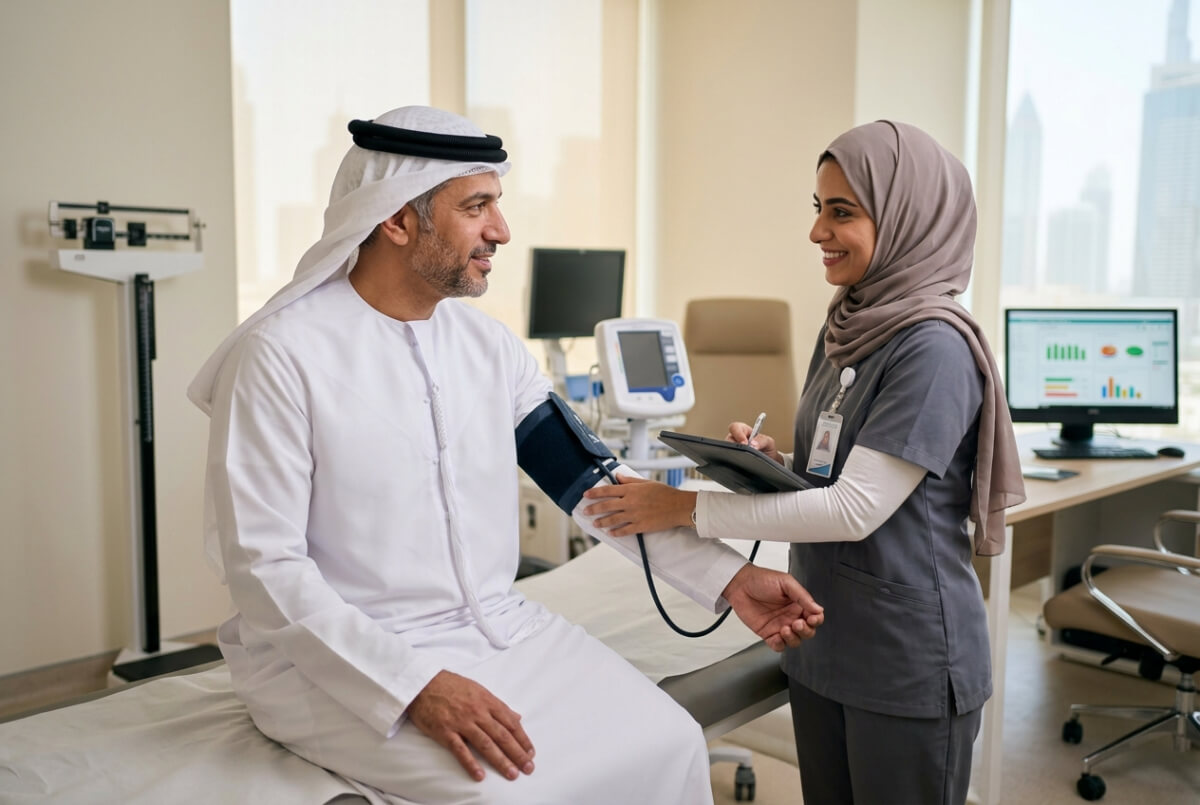
- Routine health screenings – including blood pressure, cholesterol, and diabetes markers
- Professional health assessments – regular consultations with healthcare providers
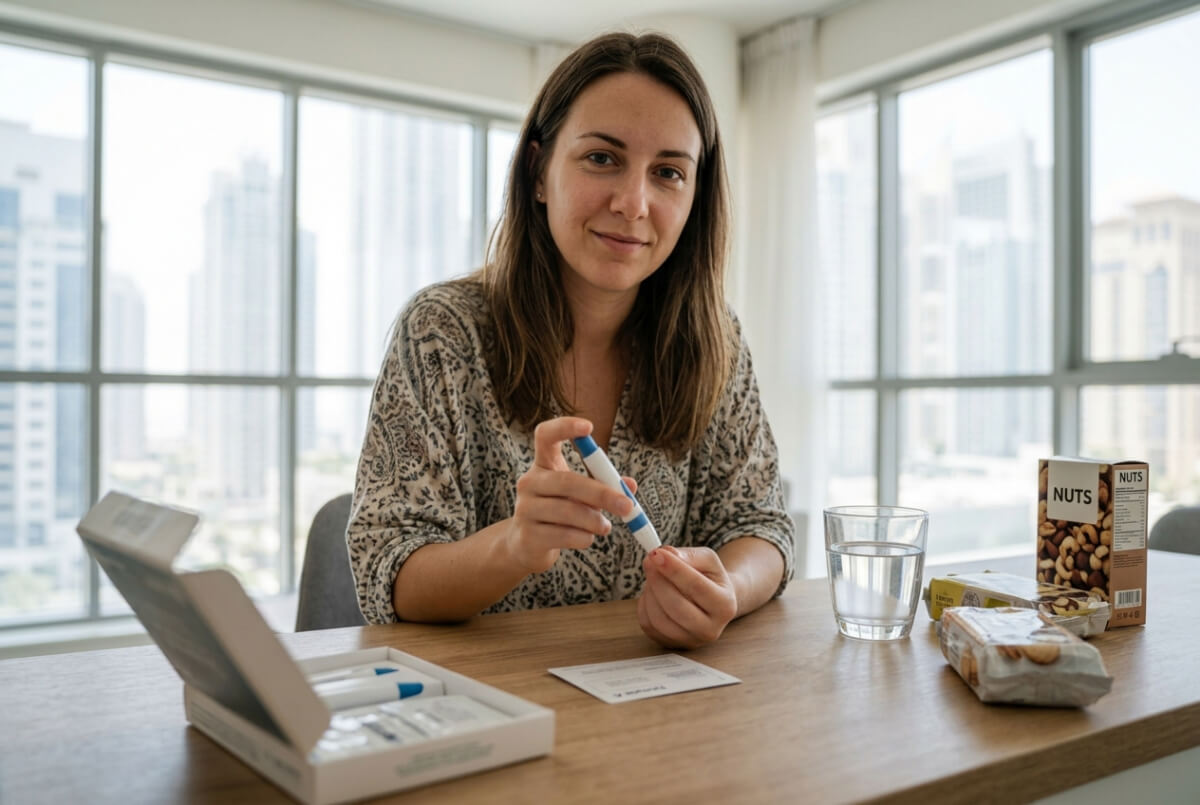
- Home monitoring tools – using glucose meters and health tracking applications
- Health education – staying informed about diabetes prevention and management
At-Home Diabetes Testing in the UAE
One of the strongest advantages for UAE residents is access to comprehensive home healthcare services. The convenience and quality of home-based testing have revolutionized healthcare accessibility in the region.
Advantages of Home Testing Services
At EWHC, you can access comprehensive diabetes screening with numerous benefits:
- Book a Diabetes Screening Service online – eliminating the need for clinic visits and long waiting times
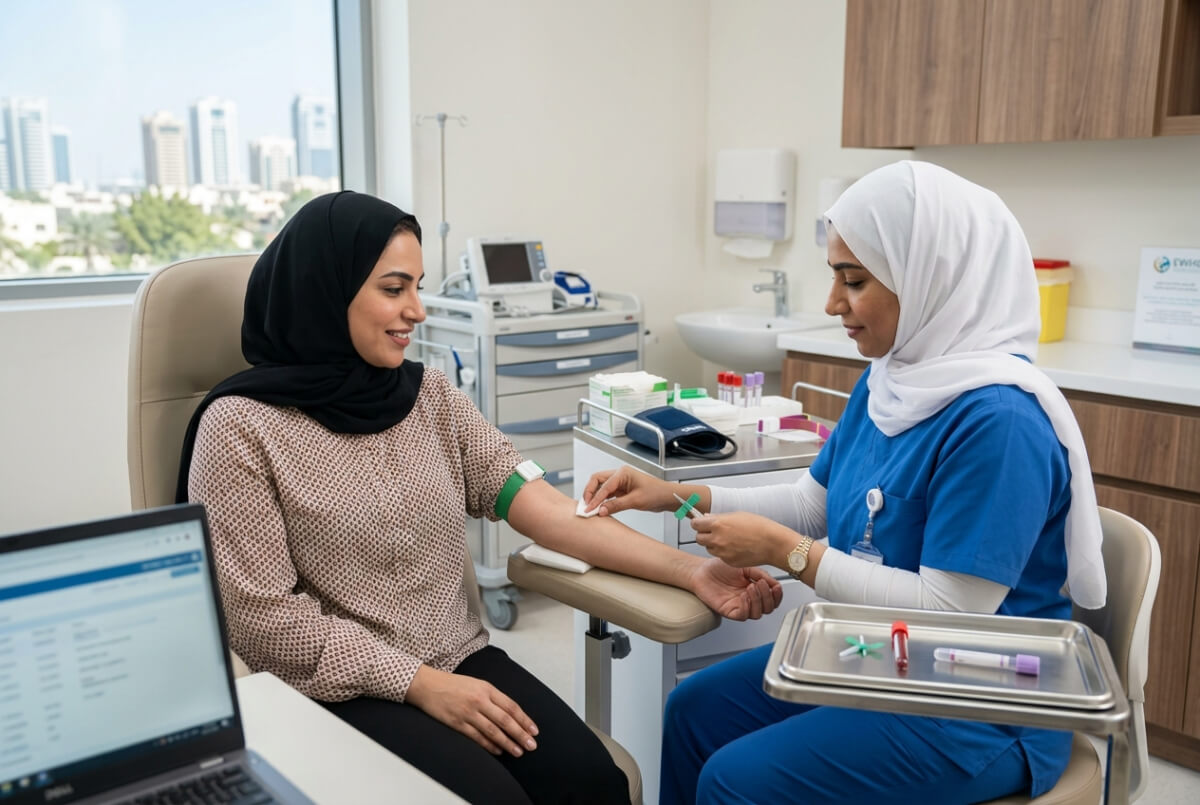
- Have samples collected from the comfort of your home – by trained healthcare professionals using sterile, medical-grade equipment
- Receive comprehensive results quickly – with detailed reports and professional interpretation
- Follow-up consultations available – including telemedicine options for result discussion and treatment planning
The Home Testing Process
- Online booking – schedule your preferred time slot through the EWHC platform
- Professional sample collection – qualified phlebotomists visit your location with all necessary equipment
- Laboratory processing – samples are processed at accredited laboratories maintaining international standards
- Digital result delivery – secure online access to results with detailed explanations
- Professional consultation – opportunity to discuss results with healthcare professionals
Quality Assurance in Home Testing
- Trained professionals – all sample collection staff are certified and experienced
- Sterile procedures – maintaining hospital-grade hygiene and safety standards
- Temperature-controlled transport – ensuring sample integrity from collection to laboratory
- Accredited laboratories – processing samples at facilities with international quality certifications
This convenience eliminates barriers such as travel, waiting times, and cost concerns while maintaining the highest standards of medical testing accuracy and reliability.
Real-Life Scenarios
Case 1: Young Professional Prevention Success
A 32-year-old marketing executive working in Dubai’s business district opted for an annual full body checkup as part of his company’s wellness program. Despite feeling healthy and maintaining what he considered a normal lifestyle, his HbA1c results showed prediabetes at 6.1%. The early detection allowed him to work with a nutritionist and fitness trainer to implement targeted lifestyle changes. Within six months, his HbA1c had decreased to 5.4%, successfully reversing his prediabetic status through diet modification, regular exercise, and stress management techniques.
Case 2: Family History Alert
A 45-year-old mother of two in Abu Dhabi, whose parents both had type 2 diabetes, decided to undergo regular screening despite having no symptoms. Her proactive approach led to the discovery of borderline HbA1c levels at 6.3%. Through a comprehensive diabetes prevention program including dietary counseling, exercise planning, and regular monitoring, she was able to maintain healthy glucose levels and avoid progression to diabetes. Her children also benefited from the family’s lifestyle improvements and increased awareness of diabetes prevention.
Case 3: Elderly Parent Early Intervention
A 62-year-old retired professional with family history underwent blood sugar screening in Dubai after experiencing mild fatigue and increased thirst. Early detection of high HbA1c levels at 7.2% led to timely medical intervention including medication management and lifestyle counseling. The early treatment prevented the development of complications and allowed him to maintain an active lifestyle while effectively managing his diabetes.
Case 4: Gestational Diabetes Management
A 28-year-old pregnant woman participating in routine prenatal care discovered elevated glucose levels during her second trimester. Through careful monitoring with HbA1c testing and glucose tracking, along with dietary modifications and regular medical supervision, she successfully managed gestational diabetes throughout her pregnancy. Postpartum follow-up screening helped ensure her return to normal glucose levels while establishing preventive care strategies for the future.
Advanced Diabetes Management and Monitoring
Technology Integration in Diabetes Care
Modern diabetes management in the UAE incorporates cutting-edge technology:
- Continuous glucose monitors – providing real-time glucose readings and trends
- Smartphone applications – for tracking diet, exercise, and glucose levels
- Telemedicine platforms – enabling remote consultation and monitoring
- Artificial intelligence tools – for predictive analysis and personalized recommendations
Comprehensive Care Approaches
- Multidisciplinary team care – involving endocrinologists, dietitians, pharmacists, and diabetes educators
- Personalized treatment plans – tailored to individual needs, preferences, and cultural considerations
- Regular monitoring protocols – systematic approach to tracking progress and adjusting treatments
- Patient education programs – empowering individuals with knowledge and self-management skills
FAQs
1. What is the difference between HbA1c and fasting blood sugar?
HbA1c gives a 3-month average of blood glucose levels by measuring glycated hemoglobin, providing a comprehensive picture of glucose control over time. Fasting blood sugar shows a snapshot of your glucose level at one specific point in time after an overnight fast. While fasting blood sugar can detect current glucose abnormalities, HbA1c is better for monitoring long-term glucose control and is less affected by daily fluctuations, recent meals, or temporary stress.
2. Can I do a diabetes test at home in Dubai?
Yes, with EWHC’s comprehensive Diabetes Screening Service, trained healthcare professionals collect samples from your home across the UAE. This service includes proper sample collection, transportation to accredited laboratories, and digital delivery of results with professional interpretation. Home testing maintains the same accuracy and reliability as clinic-based testing while offering greater convenience and comfort.
3. How much does an HbA1c test cost in the UAE?
Prices vary depending on the healthcare provider and testing location, but EWHC offers affordable packages, especially when combined with a Full Body Checkup that includes multiple health parameters. Many health insurance plans in the UAE cover diabetes screening, and workplace wellness programs often include these tests at reduced or no cost to employees.
4. How long does it take to get results?
Results are typically available within 24–48 hours for most diabetes screening tests, including HbA1c. EWHC provides secure online access to results along with detailed explanations and recommendations. For urgent cases or when immediate medical decisions are required, some testing facilities can provide preliminary results within a few hours.
5. How accurate is HbA1c testing?
HbA1c testing is highly accurate when performed by accredited laboratories using standardized methods. The test has been internationally standardized and is considered the gold standard for diabetes diagnosis and monitoring. However, certain medical conditions such as anemia, kidney disease, or specific hemoglobin variants may affect results, which is why healthcare providers consider individual medical history when interpreting results.
6. Can stress affect my diabetes test results?
Acute stress can temporarily elevate blood glucose levels, potentially affecting fasting blood sugar and random glucose tests. However, HbA1c is less affected by short-term stress because it measures average glucose levels over 2-3 months. Chronic stress, on the other hand, can contribute to consistently elevated glucose levels and may be reflected in HbA1c results.
Call-to-Action Blocks
Take charge of your health today. Book your Diabetes Screening now and join thousands of UAE residents who have taken proactive steps toward better health management.
Highlighted CTA
Worried about your blood sugar levels?
Schedule a Diabetes Screening or combine it with a Full Body Checkup for complete peace of mind. Our comprehensive testing packages provide detailed insights into your metabolic health and risk factors.
Urgency CTA
Limited Time Offer!
Get 110 essential tests, including comprehensive Diabetes Screening with HbA1c, for just 99 AED. Don’t wait until symptoms appear – early detection saves lives and prevents complications.
Conclusion
Diabetes may be a lifelong condition, but with early detection through HbA1c testing and regular comprehensive screenings, it can be effectively managed and even prevented in many cases. For UAE residents, where prevalence rates are among the highest globally, accessible and affordable services like EWHC’s Full Body Checkup and specialized Diabetes Screening make it easier than ever to stay ahead of health risks.
The combination of genetic predisposition, lifestyle factors, and environmental conditions in the UAE creates a unique healthcare landscape that demands proactive diabetes screening and management. By understanding your risk factors, recognizing early symptoms, and taking advantage of convenient home testing services, you can take control of your metabolic health and prevent serious complications.
Regular monitoring through HbA1c testing provides the comprehensive picture needed for effective diabetes management, while lifestyle modifications can significantly reduce risk and improve outcomes. The technology and healthcare services available in the UAE provide world-class opportunities for diabetes prevention and management.
Don’t wait for symptoms to appear or complications to develop—book your comprehensive diabetes screening today and secure a healthier future for yourself and your family. Early detection, combined with appropriate medical care and lifestyle modifications, can help you maintain optimal health and quality of life regardless of your diabetes risk profile.