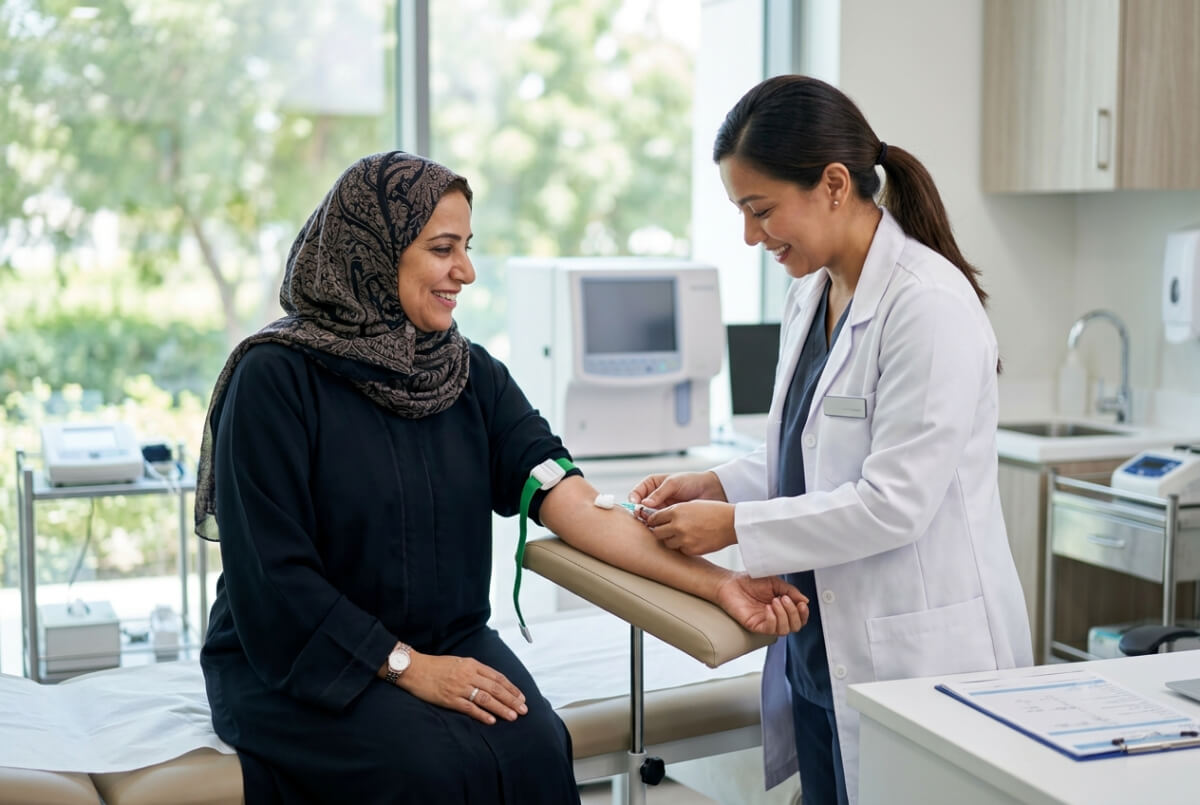
Iron is an essential mineral that supports energy, strength, and overall health. It is a core component of hemoglobin, the protein in red blood cells that carries oxygen throughout the body. When iron levels are too low, the body cannot produce enough healthy red blood cells, which may lead to fatigue, weakness, and in more serious cases, iron-deficiency anemia.
According to the World Health Organization (WHO), anemia affects more than 30% of the global population, making it one of the most common health concerns worldwide (WHO, 2021). Many of these cases are linked to nutritional deficiencies, with iron being the leading cause.
For individuals in the UAE, where preventive healthcare is highly encouraged, early anemia screening in Dubai can make a significant difference. Through a complete iron profile test in Dubai, healthcare providers can detect deficiencies early and guide patients toward effective treatment.
Understanding Iron Deficiency and Anemia
Iron is vital for many body functions, but its most important role is enabling red blood cells to deliver oxygen efficiently to tissues. Without enough iron, the body struggles to meet its oxygen needs, leading to symptoms that are often mistaken for daily tiredness or stress.
Iron Deficiency vs. Iron-Deficiency Anemia
- Iron deficiency occurs when the body’s stored iron, measured by ferritin levels, falls below healthy limits.
- Iron-deficiency anemia develops when this shortage reduces hemoglobin production, affecting red blood cell count and oxygen transport.
Common Symptoms
- Persistent fatigue and weakness
- Pale skin and brittle nails
- Dizziness or headaches
- Shortness of breath during routine activities
- Increased susceptibility to infections
High-Risk Groups
- Women of reproductive age
- Pregnant women
- Children and adolescents
- Older adults
- Patients with chronic illnesses such as gastrointestinal disorders
 Global Impact: Over 40% of children under five and 30% of women worldwide are affected by anemia, primarily due to iron deficiency (WHO, 2021).
Why Screening Matters?
Iron deficiency often develops gradually, without obvious warning signs. By the time symptoms become noticeable, anemia may already be affecting daily life and overall health.
Benefits of Early Screening
- Prevents complications such as heart strain and developmental issues during pregnancy
- Improves energy levels, focus, and immunity
- Supports long-term health and wellness
In Dubai and across the UAE, routine preventive health checks often include iron profile testing and complete blood count (CBC). Regular screening is especially important for those in higher-risk groups, ensuring deficiencies are detected and managed early.
Tests in a Complete Iron Profile
A complete iron profile test is not a single measurement but a combination of markers that provide a full picture of iron status. This panel helps determine whether a person is experiencing iron deficiency, anemia, or other related issues.
Key Components of the Test
- Hemoglobin (Hb): Measures the oxygen-carrying protein in blood
- Hematocrit (Hct): Proportion of red blood cells in total blood volume
- Serum Iron: Circulating iron in the bloodstream
- Ferritin: Indicator of stored iron; often the earliest sign of deficiency
- Total Iron-Binding Capacity (TIBC): Measures how well the blood can bind and transport iron
- Transferrin Saturation: Percentage of transferrin proteins bound with iron
- Complete Blood Count (CBC): General overview of red blood cells, including size, shape, and count
Together, these tests allow healthcare providers to detect both early deficiencies and advanced anemia.
Worried About Fatigue or Low Energy?
A simple Iron Profile Blood Test can help identify iron deficiency or anemia early.
Schedule your test today at EverWell Healthcare.
When Should You Get Tested?
Not everyone with iron deficiency experiences noticeable symptoms, and many early signs are often overlooked as stress or a busy lifestyle. This is why doctors in Dubai often recommend testing before health concerns escalate.
You should consider an iron deficiency test if you experience:
- Constant fatigue despite proper rest
- Pale skin or brittle nails
- Dizziness or frequent headaches
- Rapid heartbeat or shortness of breath during mild activity
- Unexplained hair loss
High-risk groups in the UAE who benefit from regular screening include:
- Women of childbearing age and pregnant women: Pregnancy increases the body’s demand for iron to support both mother and baby.
- Children and teenagers: Growth spurts raise iron requirements.
- Athletes: Intense physical activity can increase iron loss.
- Older adults: With age, absorption of iron may decline.
- People with chronic conditions: Especially gastrointestinal disorders or kidney disease.
Healthcare providers may recommend a Complete Blood Count (CBC) in Dubai alongside a complete iron profile as part of routine preventive screening.
Preparing for an Iron Profile Test
A complete iron profile blood test is simple, but following the right preparation helps ensure accurate results.
General preparation guidelines include:
- Fasting: Many doctors recommend fasting for 8–12 hours before the test, as recent meals can temporarily alter serum iron levels.
- Timing: Iron levels are usually higher in the morning, which is why tests are often scheduled early in the day.
- Medication review: Certain supplements (like multivitamins with iron) and medications can affect results. Always inform your doctor beforehand.
- Hydration: Drink enough water to make blood draw easier.
At EverWell Healthcare, our team ensures patients receive clear instructions before their iron profile blood test in Dubai so the results are both accurate and reliable.
Interpreting Your Test Results
Interpreting iron test results requires medical expertise. While ranges vary slightly depending on the lab, here are general benchmarks:
- Hemoglobin:
- Men: 13.8–17.2 g/dL
- Women: 12.1–15.1 g/dL
- Ferritin:
- Men: 24–336 ng/mL
- Women: 11–307 ng/mL
- Serum Iron: 60–170 mcg/dL
- Transferrin Saturation: 20–50%
What low results may indicate:
- Low ferritin + low serum iron: Early iron deficiency
- Low hemoglobin + low hematocrit: Iron-deficiency anemia
- Low transferrin saturation: Poor iron absorption or dietary deficiency
What high results may indicate:
- Excessive iron supplementation
- Conditions such as hemochromatosis (rare genetic disorder)
 Since iron status can be influenced by many factors, self-diagnosis is not recommended. A doctor will interpret your iron deficiency profile in Dubai within the context of your overall health.
Treatment and Lifestyle Tips
If iron deficiency is confirmed, treatment usually includes a combination of dietary adjustments, supplements, and addressing any underlying medical conditions.
- Diet Adjustments
Incorporating iron-rich foods is the first step:
- Heme iron (easily absorbed): Red meat, poultry, fish
- Non-heme iron: Lentils, beans, spinach, fortified cereals
- Boost absorption: Pair plant-based iron with vitamin C-rich foods (e.g., citrus fruits, tomatoes, bell peppers)
- Supplements
Doctors may prescribe oral iron supplements if dietary changes are not enough. In more severe cases, intravenous (IV) iron therapy may be recommended. - Addressing Causes
If blood loss (e.g., heavy periods or gastrointestinal bleeding) or poor absorption (e.g., celiac disease) is responsible, treatment focuses on the root cause. - Preventive Health Checks
Routine anemia screening in the UAE ensures early detection and long-term wellness. Preventive health assessments also help track progress during treatment.
Today for early and accurate results.
Don’t Let Iron Deficiency Slow You Down
A simple iron deficiency test can restore your energy and protect your long-term health.
Book a screening at EverWell Healthcare today.
FAQ: Iron Deficiency and Anemia Screening in the UAE
How common is iron deficiency in the UAE?
Iron deficiency is one of the most common nutritional deficiencies worldwide. While exact UAE-specific figures are limited, studies in the region suggest higher prevalence among women of reproductive age and children due to increased nutritional needs. This is why regular anemia screening in the UAE is often recommended.
What tests are included in a complete iron profile?
A complete iron profile test in Dubai usually includes:
- Serum Iron
- Ferritin
- Total Iron-Binding Capacity (TIBC)
- Transferrin Saturation
- Hemoglobin (as part of a Complete Blood Count (CBC))
These results together give a full picture of iron status.
Can iron deficiency be managed with diet alone?
Mild cases can often be managed with diet adjustments, such as including red meat, fish, legumes, leafy greens, and vitamin C-rich foods. However, moderate to severe iron deficiency usually requires supplements or medical treatment, guided by test results.
Can iron deficiency be managed with diet alone?
Yes, in most cases fasting for 8–12 hours is recommended, as recent meals may
alter results. Always follow the instructions provided by your healthcare provider before your iron deficiency test in Dubai.
How often should I get tested for anemia?
This depends on your health status and risk factors. High-risk groups such as pregnant women, athletes, or people with chronic conditions may need more frequent testing. In general, routine preventive health checks including iron screening every 6–12 months are recommended.
What happens if iron deficiency is left untreated?
Long-term deficiency may lead to anemia, reduced immunity, cognitive difficulties, and complications during pregnancy. Early anemia screening in the UAE helps avoid these risks.